How ChatGPT Ads Might Work: What to Expect and How to Block Them
ChatGPT has revolutionized how we interact with AI, answering queries from recipe ideas to code debugging with uncanny speed and insight. But recent buzz around OpenAI’s plans to introduce advertising has sparked debate among its 200 million-plus users. As of December 2025, reports indicate the company is eyeing ways to weave ads into the platform, potentially starting with its free tier to offset soaring computational costs. This article dives into speculation on how ChatGPT ads could roll out, drawing from leaked code hints, competitor models, and industry trends — all while exploring practical steps to maintain a clean experience.
At the heart of the concern is user privacy and flow: Ads could disrupt conversations, pulling focus from helpful responses to sponsored suggestions. Tools like AdLock, designed to shield users from unwanted intrusions, stand ready to counter this. Built for blocking banners, pop-ups, and trackers across apps and sites, AdLock could extend its protection to ChatGPT ads, although it is yet unknown when and how those will emerge in ChatGPT. Whether you’re dodging block ads in ChatGPT or just curious about the shift, let’s unpack what might be coming and how to stay ahead.
The News: OpenAI Plans to Introduce Ads to ChatGPT
The chatter started heating up in late 2025 when Reuters reported OpenAI’s intent to enhance ChatGPT while postponing features like advertising. CEO Sam Altman addressed a “code red” internal push to refine the model amid competition from Google’s Gemini, delaying ad rollouts to prioritize quality. Despite the hold, speculation persists: Leaks suggest targeted ads based on chat history, similar to how search engines personalize results.
For users, this could mean sponsored links or product mentions woven into responses — think asking for travel tips and getting a nudge toward a hotel chain. With over 200 million active users as of mid-2025, the shift aims to diversify revenue beyond subscriptions, but it raises flags on privacy, as chat data might fuel ad targeting. OpenAI has denied immediate ads in paid plans, yet the free version seems primed for experimentation.
Why Would OpenAI Add Ads to ChatGPT?
OpenAI’s pivot toward ChatGPT ads stems from a classic tech dilemma: Explosive growth meets mounting expenses. Computational demands for training and running models like GPT-4o have skyrocketed, with estimates pegging daily costs in the millions. Subscriptions like ChatGPT Plus ($20/month) bring in revenue, but not enough to sustain free access for millions — hence the push for diversification.
Competition plays a role too: Rivals like Google’s Bard or Meta’s Llama integrate ads seamlessly, blending utility with monetization. OpenAI might follow suit to attract advertisers eager for AI’s targeted reach, where chats reveal user intent far beyond search queries. For free users, this could mean occasional sponsored content; paid subscribers might escape it, though leaks hint at premium “app suggestions” already testing boundaries.
The impact? Free-tier folks face potential distractions, while paid users worry about creeping commercialization eroding the tool’s neutrality. Overall, it’s a bid for sustainability, but one that could alienate privacy-focused audiences if not handled delicately.
How ChatGPT Ads Might Work: Speculation Based on Code & Competition
Drawing from code snippets in OpenAI’s API updates and patterns in competitors like Grok or Claude, ChatGPT ads could manifest in subtle, integrated ways. Early leaks suggest a framework for “contextual insertions,” where ads align with conversation flow without overt disruption. Here’s a breakdown of possible formats, grounded in available info.
Search Ads
If ChatGPT expands web search integration (as seen in recent betas), ads might appear as sponsored results atop organic ones. Similar to Google’s model, querying “best hiking boots” could yield paid links from brands like REI, flagged as “Sponsored.” Code hints at “ad slots” in search responses, prioritizing relevance to avoid backlash. This keeps things functional but risks biasing info.
Contextual Ads Based on Chat History
The scariest prospect: Ads tailored to your past interactions. OpenAI’s memory features already track chats; extending this to advertising could insert product plugs mid-response — e.g., mentioning fitness goals prompts a subtle gym app promo. Competitors like Bing AI do this via Microsoft Advertising, so OpenAI might follow, using anonymized data for targeting. Privacy settings could opt out, but defaults might favor ads.
Content Showcase/Sponsored Content
Less intrusive: Branded “showcases” as optional sidebars or follow-ups. Asking for recipe ideas might trigger a “Sponsored by HelloFresh” meal kit suggestion, complete with affiliate links. Leaks point to “content injection” APIs, mirroring YouTube’s sponsored segments. This blends value with promo, but could feel manipulative if not clearly labeled.
Where Ads Might Appear
Placement matters for user tolerance. Code analysis suggests spots like:
- Sidebar panels next to chat windows, for non-disruptive banners.
- Above or below responses, as headers/footers with “Ad” tags.
- Within replies, as inline links or footnotes.
- Navigation menus, like dashboard promos for related tools.
Overall, expect a phased rollout starting with free users, evolving based on feedback to balance revenue and retention.
Concerns About Ads in ChatGPT
Ads in ChatGPT could ripple beyond annoyance, stirring deeper issues. Privacy tops the list: Using chat history for targeted ads risks exposing sensitive queries — health advice or job searches — to ad networks, even if anonymized. OpenAI’s data policies promise safeguards, but breaches elsewhere highlight vulnerabilities.
User experience might suffer too: Ads could slow response times with extra loading, or clutter interfaces, diluting the AI’s helpful essence. Worse, advertiser influence might bias outputs — favoring sponsored brands in recommendations, eroding trust. For free users, it’s a trade-off; paid ones feel betrayed if ads creep in, as seen in recent “app suggestion” backlash.
Manipulation risks loom: Subtle sponsored content could sway opinions undetected, especially in educational or advisory chats. Plus, kids or vulnerable users face exposure to inappropriate promos. In essence, ads threaten ChatGPT’s neutrality, turning a tool into a marketplace.
How Ad Blockers Like AdLock Can Help
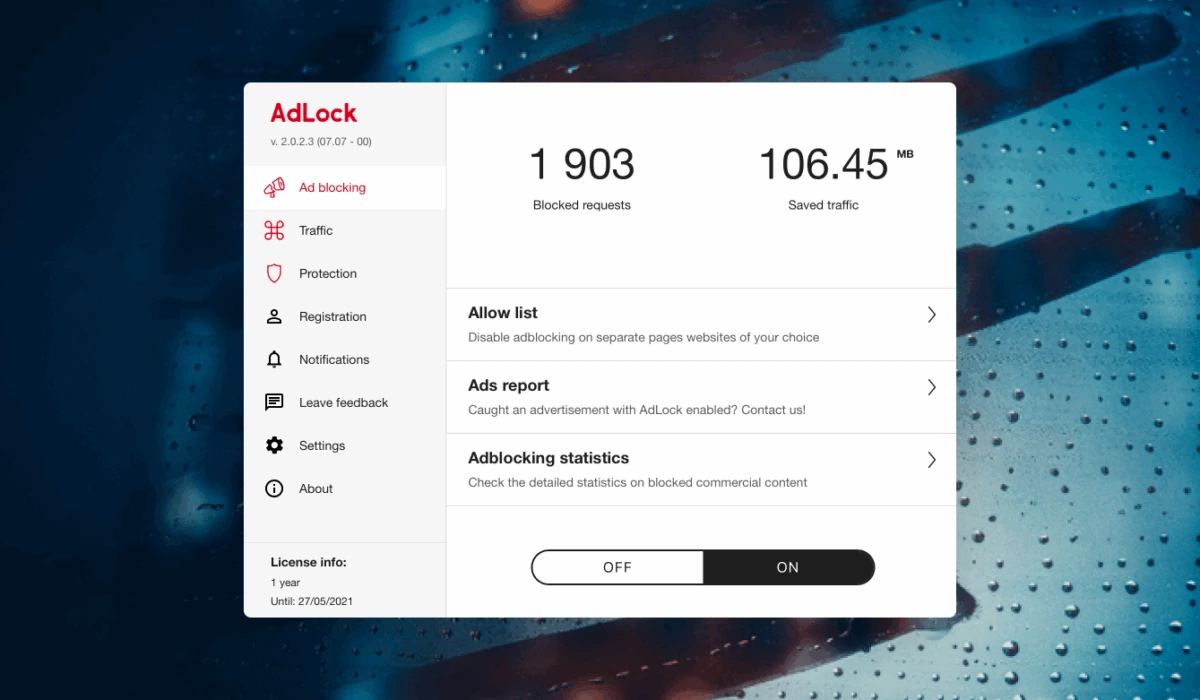
AdLock excels at nixing unwanted elements across platforms, from browsers to apps, making it a prime defense against potential ChatGPT ads. Currently, it blocks banners, pop-ups, and video ads on sites like YouTube or news feeds, enhancing privacy by halting trackers and speeding up loads by up to 30%. This streamlined UX carries over to AI tools, where distractions kill focus.
Hypothetically, for ChatGPT ads, AdLock could filter interface elements — stripping sidebar banners or inline sponsored links via custom rules. It might safeguard chat data from ad targeting by blocking network calls to third-party servers, preventing slowdowns from ad fetches. Technical side: AdLock uses VPN-like filtering to intercept requests, ensuring only core content loads — all without rooting devices or complex setups.
In short, it’s proactive protection, keeping your AI interactions pure and efficient.
What About Free vs. Paid Plans?
Ads will likely target ChatGPT’s free plan first, sparing paid tiers like Plus or Teams to preserve value. Reports suggest delays focus on quality, but when they arrive, free users might see contextual promos during high-traffic queries. Paid subscribers could remain ad-free, as OpenAI disputes recent “ads” claims, calling them app suggestions.
Our take: Premium plans stay clean to avoid churn, but “lite” ads (e.g., optional showcases) might test the waters. If ads hit paid, backlash could force rollbacks — watch for user forums to gauge.
What Users Can Do Now
Prep for potential ChatGPT advertising by tweaking settings today. Review privacy options in your account: Toggle off data sharing for improvements, or clear chat history via the “Memory” tab to limit targeting fodder. Use incognito modes for sensitive queries, reducing tracked patterns.
Install an ad blocker like AdLock now — it’s ready for web-based ChatGPT and could adapt to app updates. Enable ad blocking for immediate protection, ensuring you’re shielded when changes drop. Stay informed via OpenAI’s blog for ad announcements, and consider feedback channels to voice concerns.
Summary
ChatGPT ads, delayed but looming, could appear as search spots, contextual nudges, or sponsored content, driven by OpenAI’s need for revenue amid rising costs and competition. While free plans bear the brunt, concerns like privacy erosion and biased responses loom large. Ad blockers like AdLock offer a robust shield, filtering intrusions for smoother, safer chats.
Don’t wait — grab AdLock today to safeguard your AI experience and keep conversations flowing ad-free. Stay tuned for updates as OpenAI navigates this shift.

