Does DuckDuckGo Block Ads? What DDG Actually Does
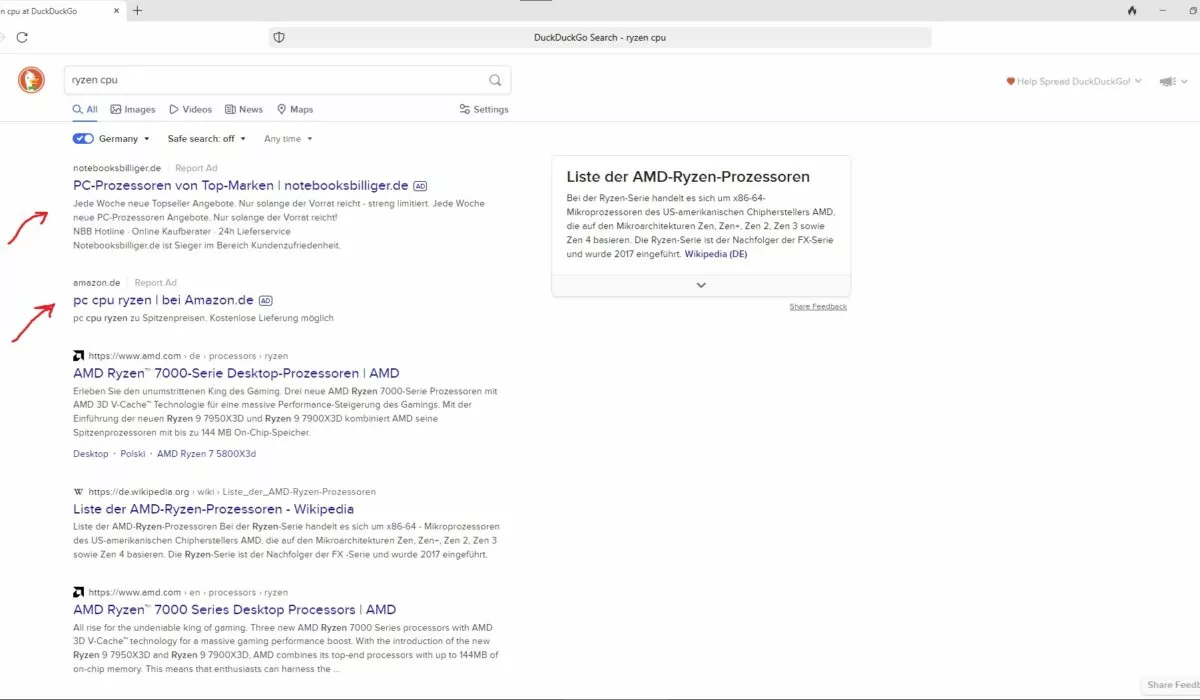
DuckDuckGo does block some things — cross-site trackers, fingerprinting scripts, many third-party cookies. But if you’re asking whether DuckDuckGo blocks ads in search results, the answer is no. Sponsored links still appear at the top of every DDG search page, served through a partnership with Microsoft Advertising. They won’t disappear on their own.
This article covers what DuckDuckGo’s ad blocking actually does, where it falls short, and what to use if you want an ad-free experience.
Stop Ads Even in Private Browsers
DuckDuckGo hides your searches, but not ads. AdLock removes them — everywhere
Does DuckDuckGo Block Ads?
Not exactly. DuckDuckGo blocks trackers — not ads. The browser includes Enhanced Tracking Protection, which stops known cross-site trackers from following you around the web. That’s a genuine privacy feature. But it’s not the same as ad blocking.
DuckDuckGo generates revenue through contextual search ads powered by Microsoft Advertising. When you search for something, you’ll see sponsored results at the top — non-personalized (DDG doesn’t build a profile on you), but they’re still ads. The browser won’t filter them out, because they fund the product.
Here’s a quick breakdown of what DDG handles and what it doesn’t:
What DuckDuckGo blocks: cross-site trackers, many third-party cookies, fingerprinting scripts, email trackers (via DuckDuckGo Email Protection).
What DuckDuckGo doesn’t block: contextual search ads, display ads on third-party sites, video ads on YouTube, ads inside other apps.
Does DuckDuckGo Have an Ad Blocker?
No. DuckDuckGo has tracker blocking, Duck Player for YouTube, and a Fire Button that wipes tabs and browsing data. What it doesn’t have is a built-in ad blocker.
DuckDuckGo’s business model relies on showing ads. Unlike Google, it doesn’t use your personal data to target them — but the ads are still there. Removing them would undercut the revenue that keeps the product free.
There’s also a practical limitation on desktop. The DuckDuckGo browser for Windows doesn’t support extensions, which means you can’t install uBlock Origin or any other ad blocker extension the way you would in Chrome or Firefox. That removes the most obvious workaround.
How to Block Ads in DuckDuckGo
Since DuckDuckGo won’t handle it itself, you have two realistic options: a VPN with built-in ad blocking, or a standalone ad blocker. Both work on desktop and mobile.
Blocking DuckDuckGo ads via a VPN
Some VPN services bundle ad blocking as an extra feature. In practice, it’s limited. VPN ad blocking typically works at the DNS level — it blocks known ad domains before they load — but the filter lists VPN providers maintain are nowhere near as thorough as what dedicated ad blockers use. You’ll still see plenty of ads that slip past.
Customization is minimal too: usually a single on/off toggle, no granular control over which trackers or ad categories to allow. And routing all your traffic through a VPN adds latency, which can slow browsing depending on the service. If blocking ads is your primary goal, a VPN is the wrong tool for the job.
Block DuckDuckGo ads with AdLock
AdLock is a standalone ad blocker — not a browser extension. That distinction matters here, because the DuckDuckGo desktop browser doesn’t support extensions at all.
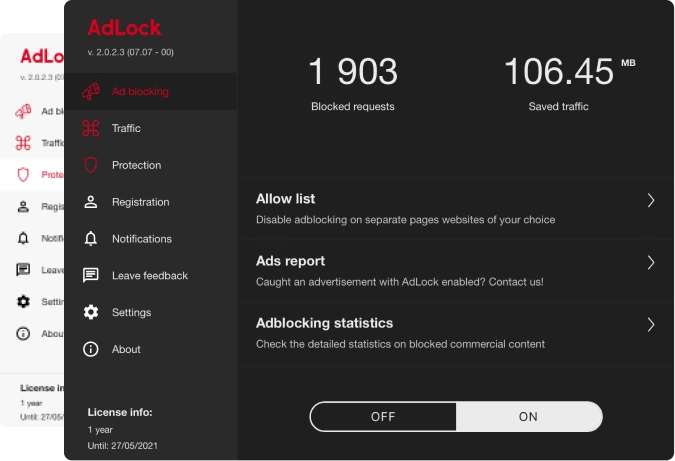
AdLock works at the network level, intercepting ad requests before they reach the browser. It filters traffic system-wide, which means it covers DuckDuckGo, every other browser on the device, and other apps — simultaneously, with no per-browser setup required.
Getting started takes a few minutes:
- Go to adlock.com and select your platform
- Download and install AdLock
- Launch the app and follow the onboarding steps
- Enable ad blocking
- Confirm DuckDuckGo appears in the filtered apps list
After that, ads in DuckDuckGo and every other browser or app on the device are blocked. If there’s a specific app you want to allow ads in — a game that rewards you for watching them, for example — you can toggle it off individually in the filtered apps list.
Does DuckDuckGo Block YouTube Ads?
DuckDuckGo has a built-in feature called Duck Player that addresses this specifically. When you open a YouTube link in DuckDuckGo’s browser, Duck Player renders the video in a private embedded player that doesn’t serve targeted ads or track viewing history.
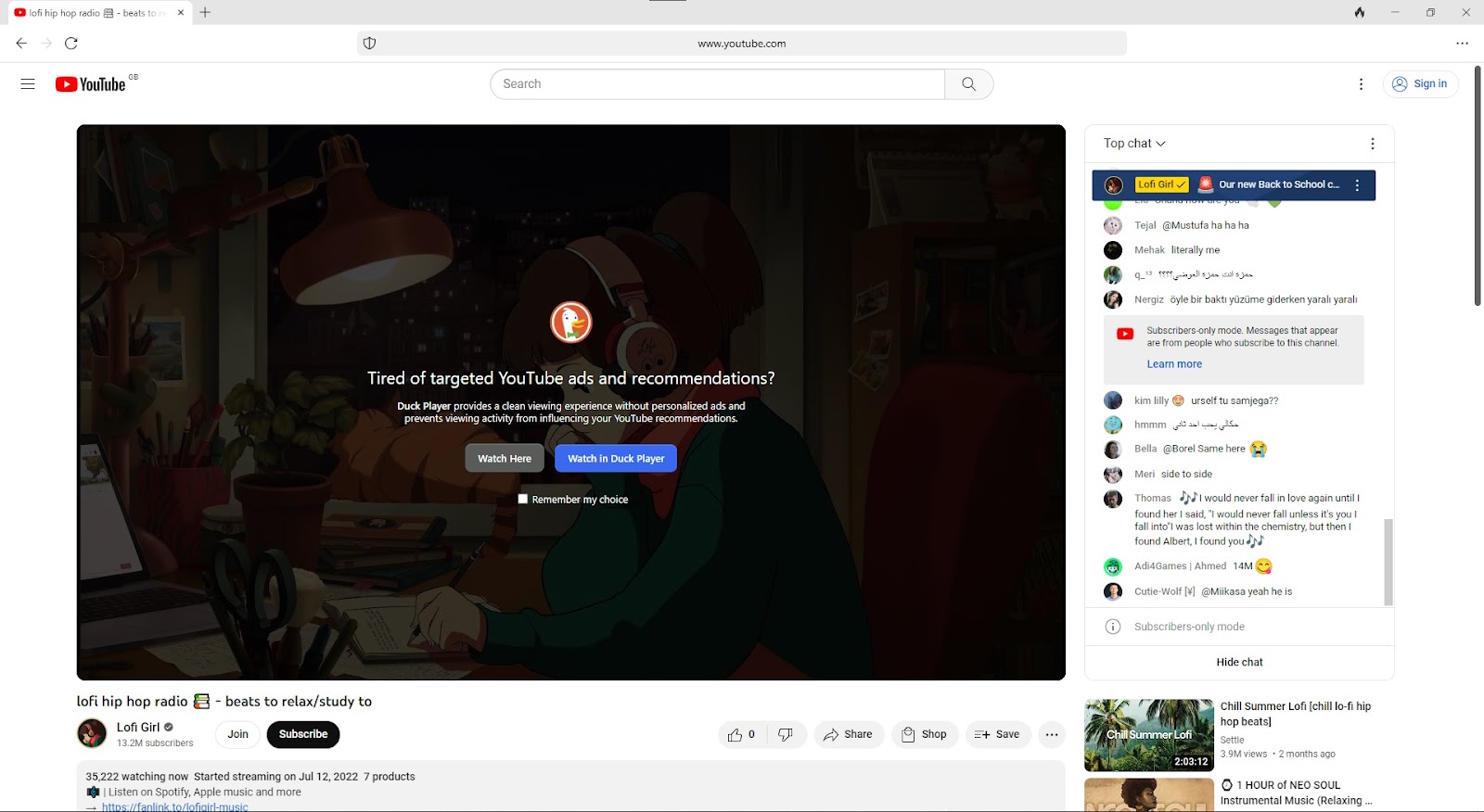

Duck Player also removes the Recommended sidebar and comments section, cutting out the recommendation engine entirely. You can switch back to the standard YouTube experience any time with one tap. It’s a useful built-in option — though it doesn’t reliably block all non-targeted pre-roll ads in every case, so it’s not a full substitute for a dedicated ad blocker.
Does DuckDuckGo Block Ads in Google Chrome?
No. DuckDuckGo’s tracking protection only applies within the DuckDuckGo browser. If you’re using Google Chrome with DuckDuckGo set as your search engine, DuckDuckGo has no control over what Chrome loads or displays — including ads on websites.
DuckDuckGo does offer a Chrome extension called DuckDuckGo Privacy Essentials, which adds tracker blocking and forces HTTPS connections when available. But it doesn’t block ads. For that, you need a separate solution.
We’ve covered how to block ads on Google Chrome in detail, including what makes a good ad blocker for Chrome right now — especially relevant given the Manifest V3 changes that weakened browser extension blocking.
AdLock: The Best Ad Blocker for DuckDuckGo
Because the DuckDuckGo desktop browser doesn’t support extensions, AdLock is effectively the most practical option available. Here’s what sets it apart:
System-wide coverage. AdLock doesn’t filter one browser — it covers everything on the device simultaneously. DuckDuckGo, Chrome, Firefox, news apps, games — one app handles all of them.
Network-level blocking. Ad requests are intercepted before they reach the browser. This approach works regardless of which browser you use or how ads are delivered — including the kinds of ad injection that browser extensions miss.
Privacy stacking. DuckDuckGo keeps your searches private. AdLock adds tracker script blocking and DNS filtering on top of that. The two tools complement each other cleanly.
Regular filter updates. AdLock’s filter lists are updated continuously to keep pace with new ad formats and bypass techniques — which matters as ad delivery methods keep evolving.
Cross-platform. AdLock is available for Windows, macOS, Android, iOS, and Android TV. Whatever device you’re using DuckDuckGo on, there’s a version that covers it.
On mobile, the Android ad blocker and the ad blocker for iPhone handle DuckDuckGo mobile just as well as the desktop versions — covering ads in DuckDuckGo’s browser app and every other app on the device.
Stop Ads Even in Private Browsers
DuckDuckGo hides your searches, but not ads. AdLock removes them — everywhere
Final Thoughts
DuckDuckGo is a privacy-focused browser and search engine. It blocks trackers, avoids personal data collection, and includes useful features like Duck Player. But it doesn’t block ads — that’s not part of its model, and on the Windows desktop version, the lack of extension support rules out browser-based ad blockers entirely.
If you want to use DuckDuckGo and have an ad-free experience, a standalone ad blocker like AdLock is the most reliable route. It works at the network level — no extension required, no per-browser configuration. DuckDuckGo handles your privacy; AdLock handles the ads.
Frequently Asked Questions
Does DuckDuckGo block ads?
Not fully. DuckDuckGo blocks cross-site trackers and some intrusive elements, but it still shows contextual search ads through its Microsoft Advertising partnership. These ads aren’t personalized to you, but they’re visible on every search results page. To remove them, you need a standalone ad blocker like AdLock running alongside DDG.
Does DuckDuckGo have an ad blocker built in?
No. DuckDuckGo has Enhanced Tracking Protection, Duck Player for YouTube, and a Fire Button that clears browsing data. None of those constitute a full ad blocker. DDG’s revenue model depends on showing contextual ads, so removing them from within the product isn’t something the development team has built or plans to build.
Why does DuckDuckGo have ads?
DuckDuckGo is a free product, and ads are how it makes money. Unlike Google, DDG doesn’t use your personal data or search history to target them — the ads are based only on your current search keyword. That’s the trade-off: privacy from tracking, but not from ads.
Is DuckDuckGo an ad blocker or just a tracker blocker?
Primarily a tracker blocker and private search engine. DuckDuckGo does reduce the trackers that follow you across sites, but it doesn’t block ads — including the search ads it serves itself. For actual ad blocking, you need a separate tool.
Does DuckDuckGo have a lot of ads?
Less than Google, but some. You’ll typically see a few sponsored results at the top of any commercial search query. They’re not personalized, and there’s no retargeting or display advertising — but they’re there. AdLock can remove them entirely if you’d rather not see any.

Similar news
Best Spotify Ad Blocker: Block Spotify Ads on Any Device (2026)

How to Uninstall Total Adblock and Find a Better Alternative (2026)
How to Remove Ads from Streamex

How to Bypass Ad Blocker Detection: Methods That Still Work

How to Block Ads on Dailymotion (Browser + Mobile App)