How to Block Daily Mail Ads, Pop-Ups, and Notifications
Daily Mail throws a lot at you — autoplay videos that start the moment you land on the page, banner ads stacked between every paragraph, sponsored posts formatted to look like real news, and push notification requests that reappear no matter how many times you dismiss them. If you want to actually read the news, all of that has to go.
This guide covers every working method to block Daily Mail ads: on the website in Chrome, Safari, Firefox, and Edge; in the mobile app on Android and iOS; and at the notification level so the push alerts stop for good.
Read Daily Mail Without Pop-Ups
News should inform, not annoy. AdLock wipes out video and sidebar ads
Why Daily Mail Ads Are So Annoying
Daily Mail’s ad load is heavier than most news sites. A single article page fires dozens of ad requests, and the mix of formats makes it particularly rough to deal with:
- Autoplay video ads that push the article content down as they load
- Sticky banner ads that follow you as you scroll
- Sponsored content blocks formatted to look like editorial stories
- “Allow Notifications?” prompts that reappear every session
- Retargeting scripts that track you across other sites after you leave
The notifications are a separate headache from the display ads. Once you accidentally click “Allow,” Daily Mail sends breaking news alerts even when your browser isn’t open. Revoking that permission requires digging into browser settings most people have never visited.
How to Block Ads on Daily Mail Website
✅ Option 1: AdLock Standalone App (Desktop — Recommended)
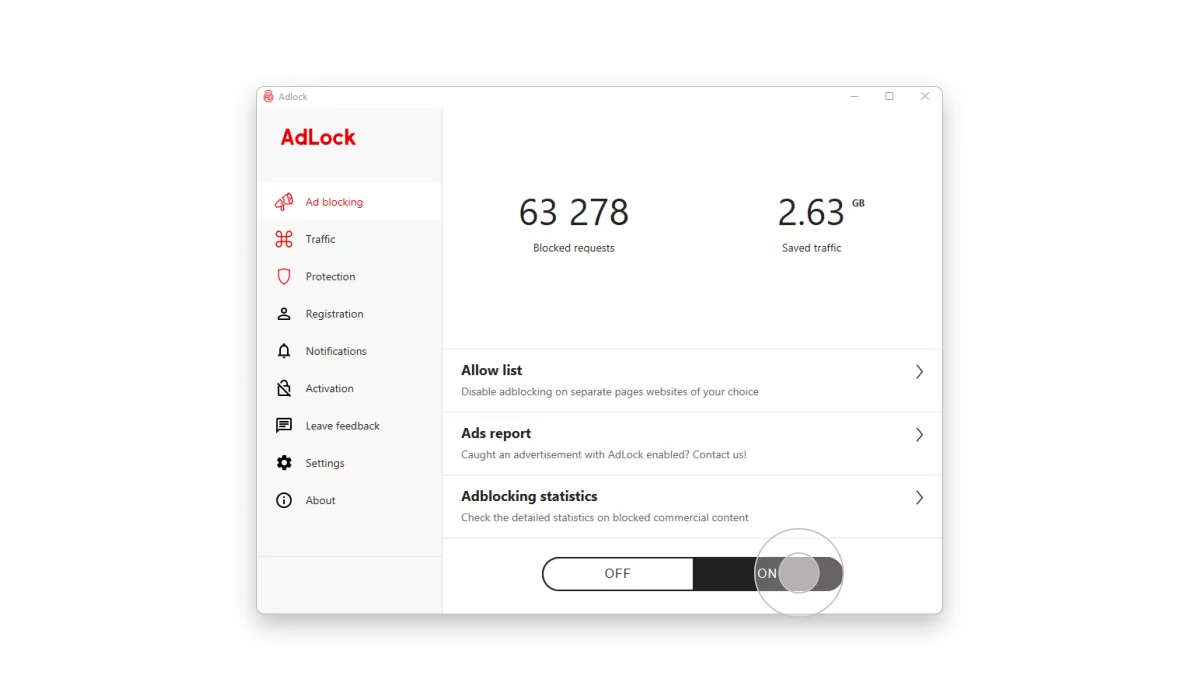
The cleanest desktop solution is the AdLock app for Windows or macOS. It works at the network level, intercepting ad requests before they reach the browser — which means it covers Chrome, Firefox, Edge, and Safari simultaneously, with no separate extension needed for each.
- Download AdLock for Windows or macOS from adlock.com
- Activate your license
- Ad blocking is on by default — open Daily Mail and the difference is immediate
✅ Option 2: AdLock Chrome Extension
If you prefer not to install a full app, the AdLock Chrome extension covers Daily Mail in-browser. It blocks banners, pop-up ads, and autoplay video with one click after installation. Keep in mind it works only inside Chrome — ads in other browsers or apps on the same device are unaffected.
Install it from the Chrome Web Store, click Enable, and you’re done. No configuration needed.
✅ Option 3: AdLock for Safari (macOS and iOS)
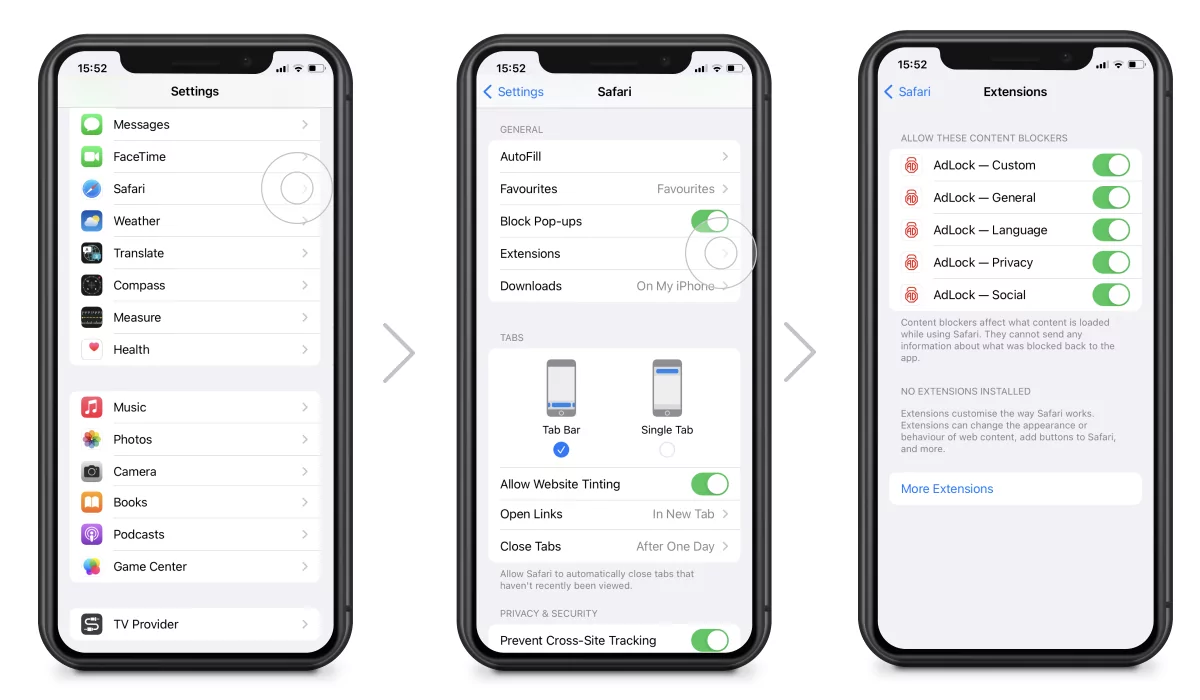
On a Mac or iPhone, install AdLock from the App Store. Then go to Safari > Settings > Extensions on macOS, or Settings > Safari > Content Blockers on iPhone/iPad, and toggle AdLock’s content blockers on.
✅ Option 4: Firefox and Edge
On Firefox, the AdLock extension works the same way it does in Chrome — install it, enable it, and Daily Mail ads are filtered from the start. For Edge, the most reliable routes are the HOSTS file method or the browser’s built-in tracking prevention settings. Step-by-step instructions are in the linked article below.
✅ Option 5: DNS-Level Blocking with NextDNS
For network-wide coverage — blocking Daily Mail ads on every device connected to your Wi-Fi — NextDNS is worth setting up. Configure it on your router with a blocklist that includes common ad domains, and ad requests from Daily Mail get stopped before any browser even sees them. Setup takes about 10 minutes and requires no extensions or apps on individual devices.
How to Block Ads in the Daily Mail App (iOS & Android)
❌ The problem: The Daily Mail app has no paid ad-free option. There’s no in-app purchase that removes ads — it’s ad-supported by design. The only way to eliminate them is to intercept traffic at the system level.
✅ Solution 1: AdLock for Android
AdLock for Android runs as a local VPN and filters traffic from every app on the device, including the Daily Mail app. Setup:
- Download AdLock from Google Play (search AdLock: Adblocker & Privacy) or directly from adlock.com
- Grant the VPN permission when prompted
- Install the CA certificate for HTTPS filtering — the app walks you through it
- Activate your license
- Open the Daily Mail app — banner and video ads are gone
This covers the Daily Mail app, your browser, and every other app on the device at once.
✅ Solution 2: AdLock for iOS
Install AdLock for iPhone from the App Store. Once installed, go to Settings > Safari > Content Blockers and enable AdLock. Activate Premium to unlock full filtering.
AdLock’s content blockers cover Daily Mail completely when you read it in Safari. For the best ad-free experience on iPhone, using Safari rather than the native Daily Mail app gives the cleanest result — Apple’s app sandbox imposes more constraints on what in-app filtering can do.
✅ Solution 3: Airplane Mode (Quick Workaround)
It’s not a long-term fix, but it works in a pinch:
- Open the Daily Mail app while connected and let a few articles load
- Switch to Airplane Mode
- Read the cached articles — ads can’t load without a connection
You won’t get updated stories or fresh images, but if you just need a quick read without interruptions, it works.
How to Stop Daily Mail Pop-Up Ads and Notifications
Those “Allow Notifications?” prompts and breaking news push alerts are a separate problem from the display ads on the page. Once you’ve granted notification permission — even by accident — Daily Mail will keep sending alerts until you explicitly revoke it in your browser settings.
Chrome: Go to chrome://settings/content/notifications, find dailymail.co.uk in the list, and set it to Block.
Safari (Mac): Go to Safari > Preferences > Websites > Notifications, find Daily Mail, and set it to Deny.
Safari (iPhone/iPad): Go to Settings > Safari > Notifications, find Daily Mail, and turn it off.
Firefox: Open about:preferences#privacy, click Settings next to Notifications, find dailymail.co.uk, and remove or block it.
These steps stop the push alerts and the permission pop-ups. They don’t remove the display ads on the page — for those, you still need an ad blocker.
Read also:
Why Use AdLock as Your Daily Mail Ad Blocker
Most ad blockers handle the obvious banner ads but miss the embedded video ads and sponsored content blocks that make Daily Mail particularly heavy. AdLock’s filtering covers all of those — including autoplay videos that lighter tools sometimes let slip through.
Beyond the ads, AdLock blocks the tracking scripts responsible for retargeted ads following you to other websites after you leave Daily Mail. It also stops malware redirects — those occasional links that push you toward a shady page before you can react. And by preventing heavy ad elements from loading at all, it cuts page load times and mobile data usage noticeably, which matters on a site as ad-heavy as Daily Mail.
The standalone app covers every browser and app on your device from one place. The browser extensions are free and handle the website if you only need browser-level coverage. Both approaches work — the app just does more.
Read Daily Mail Without Pop-Ups
News should inform, not annoy. AdLock wipes out video and sidebar ads
Final Thoughts
The combination that works best for most people:
- Desktop (any browser): AdLock standalone app for Windows or macOS — covers all browsers at once, no per-browser setup
- Chrome only: AdLock Chrome extension — free, zero setup
- Safari on Mac or iPhone: AdLock for Safari with content blockers enabled
- Android: AdLock for Android from Google Play — covers the app and browser together
- iOS: AdLock for Safari with content blockers, and read Daily Mail in Safari rather than the native app
- Notifications: Block dailymail.co.uk at
chrome://settings/content/notificationsor the equivalent in your browser
Address each layer and Daily Mail becomes genuinely readable again.
Frequently Asked Questions
How do I stop ads on Daily Mail in Chrome?
Install the AdLock Chrome extension from the Chrome Web Store. It blocks banners, video ads, and pop-ups on Daily Mail as soon as it’s enabled — no additional setup needed.
Can I remove ads from the Daily Mail app on Android?
Yes. AdLock for Android filters traffic from all apps, including the Daily Mail app. Download it from Google Play (search AdLock: Adblocker & Privacy) or from adlock.com.
Does AdLock block Daily Mail ads on iPhone?
AdLock for iOS blocks ads when you read Daily Mail in Safari, through its content blocking features. For the best experience on iPhone, use Safari with AdLock’s content blockers active rather than the native Daily Mail app — Apple’s sandbox limits what in-app filtering can do on iOS.
How do I stop Daily Mail pop-up notifications?
In Chrome, go to chrome://settings/content/notifications and set dailymail.co.uk to Block. In Safari on Mac, go to Safari > Preferences > Websites > Notifications and set it to Deny. In Firefox, open about:preferences#privacy and remove Daily Mail from the Notifications list.
Is there a free way to block Daily Mail ads?
Yes — the AdLock extensions for Chrome and Safari are free and block ads on the Daily Mail website in those browsers. For complete mobile coverage including in-app blocking on Android, the premium version is needed.
What’s the best Daily Mail ad blocker?
For desktop, the AdLock standalone app blocks ads across all browsers simultaneously. For Android, AdLock for Android covers the Daily Mail app and your browser in one install. For Safari on iPhone or Mac, the AdLock content blocker extension handles it cleanly.

Similar news
Spotify Ad Blocker: Block Spotify Ads Without Premium
How to Remove Ads from Streamex
How to Block YouTube Ads on Android in 2026

How to Bypass Ad Blocker Detection: Methods That Still Work
How to Uninstall Total Adblock and Find a Better Alternative (2026)